canada Trivia PDF Overview

This PDF presents a diverse collection of questions about canada’s geography, history, culture, and wildlife, designed for classroom use or casual trivia nights․ It features multiple choice, true/false, and fill‑in‑the‑blank formats, with answers at the end․ Great for learning and fun and quizzes․!
What the PDF Contains
The PDF delivers a balanced mix of over 50 Canada trivia questions, spanning geography, history, culture, and nature․ Questions are categorized by difficulty—easy, medium, hard—to suit learners of all ages․ Each item appears in one of three formats: multiple‑choice with four options, true/false statements, or fill‑in‑the‑blank prompts that prompt active recall․ Answers are compiled in a separate key at the document’s end, accompanied by concise explanations that reinforce learning․ The layout is clean, with generous margins for handwritten answers and a bold header that emphasizes the theme․ Additional elements include a quick‑start guide for educators, suggested group‑activity ideas, and printable answer sheets for grading․ The PDF is lightweight (≈2․4 MB) and fully compatible with standard PDF readers, making it easy to download, print, or embed in learning management systems․ All content is fact‑checked and updated annually to reflect current statistics or political changes, ensuring relevance and accuracy․ This resource supports both formal assessment and informal learning, encouraging engagement through competitive play and collaborative discussion․ A small glossary defines key terms like “province,” “territory,” and “federal․” The document is formatted for easy printing on standard A4 paper, with a 1‑inch margin on all sides․ Teachers can annotate directly on the PDF using PDF‑editing software, or print out copies for classroom use․ The resource is freely available under a Creative Commons license, allowing educators to share and adapt it for their own curricula․ Enjoy exploring Canada’s rich heritage with this quiz tool!!?
Target Audience
This Canada trivia PDF is crafted for a wide range of learners and educators who seek an engaging way to explore the nation’s rich heritage․ Primary users include:
- High‑school and middle‑school students preparing for geography or social‑studies exams․
- University students taking introductory Canadian studies courses․
- Teachers looking for ready‑to‑use assessment tools that can be integrated into lesson plans․
- Parents and grandparents who enjoy family trivia nights and want to share cultural knowledge․
- Trivia club members and quiz bowl teams seeking fresh, fact‑based questions․
- Travel enthusiasts and new residents eager to learn key facts about Canada’s provinces, capitals, and symbols․
The questions are organized by difficulty level, allowing instructors to tailor the activity to beginner, intermediate, or advanced learners․ The format supports individual work, small‑group collaboration, or whole‑class competition․ Because the PDF is lightweight and printable it can be used in classrooms, community centers, or at home without requiring additional software․ The resource is also ideal for language‑learning settings, as many questions incorporate bilingual prompts that reinforce English and French vocabulary․ Overall, the PDF serves anyone who wants a reliable, fact‑checked, and entertaining way to deepen their understanding of Canada․ This PDF also includes a guide printable answer sheets and suggested group‑activity ideas for fun now yes
Question Categories Covered
This PDF covers five main categories: Geography and Capitals, History and Politics, Culture, Sports and Arts, and Natural Symbols and Environment․ Each section offers multiple choice, true/false, and fill‑in‑the‑blank questions that test facts about provinces, leaders, landmarks, and wildlife!!
Geography and Capitals
Explore Canada’s vast landscape through a series of engaging questions that test knowledge of provinces, territories, and capital cities․ The PDF includes multiple choice items such as “What is the capital of Canada?” with options Ottawa, Toronto, Vancouver, and Montreal, and true/false statements about the number of time zones and the location of the Arctic Archipelago․ Additional questions cover the unique geographical features of the country, including the Great Lakes, the Rocky Mountains, and the Hudson Bay, as well as the distribution of the three oceans that touch Canada’s shores․ Each question is accompanied by a concise answer key, allowing educators and quiz enthusiasts to quickly verify responses and discuss interesting facts about Canada’s diverse regions and capitals․ The format is designed for easy printing and classroom use, with clear headings, bolded questions, and space for participants to write their answers․ Whether you’re a student, teacher, or trivia lover, this section provides a fun way to reinforce geographic literacy while celebrating the country’s rich cultural heritage and natural beauty․

Students can match each capital city to its province or territory, learning that Ottawa is in Ontario, Edmonton in Alberta, and Halifax in Nova Scotia․ The quiz also highlights the unique position of Yukon and Nunavut, whose capitals are Whitehorse and Iqaluit, respectively․ This activity reinforces map skills and national pride․!!!!!!
History and Politics
Delve into Canada’s political evolution with questions covering pivotal moments, influential leaders, and constitutional milestones․ The PDF presents multiple choice items such as “Who is the current Prime Minister of Canada?” with options Justin Trudeau, Stephen Harper, and Paul Martin, and true/false statements about bilingualism and the role of the Governor‑General․ A notable question asks which former Prime Minister received the Nobel Peace Prize, offering choices Jean Chretien, Lester B․ Pearson, and Pierre Trudeau, with the correct answer being Lester B․ Pearson․ Additional queries explore the significance of the 1867 Confederation, the creation of the Canadian flag, and the impact of the Quiet Revolution in Quebec․ Participants are encouraged to match historical events to dates, identify key political figures, and discuss the balance of power between federal and provincial governments․ The answer key provides concise explanations, fostering deeper understanding of Canada’s democratic traditions and the challenges of governing a vast, multicultural nation․ This section is ideal for history teachers, civics clubs, and anyone eager to test their knowledge of Canada’s political heritage․
Questions also cover the evolution of Canada’s electoral system, the role of the Senate, and the significance of the 1982 Constitution Act․ They challenge participants to recall dates of referendums, names of key patriations, and outcomes of Supreme Court rulings that shaped Canadian law in Canada now․
Culture, Sports and Arts
Explore Canada’s vibrant cultural tapestry, iconic sports legends, and celebrated artistic achievements․ The PDF features questions about national symbols, such as the beaver, and sports trivia that asks, “He shoots, he scores” is the famous phrase of which athlete? The answer is the legendary hockey player Wayne Gretzky․ Participants also test knowledge of Canadian music icons, with a question about Celine Dion’s genre influences ranging from rock to gospel and classical․ Trivia covers the history of the Toronto version of Reach for the Top, hosted by Alex Trebek, and the influence of Quebec’s Quiet Revolution on the arts․ The quiz includes true/false items on the significance of the Canadian flag, the role of bilingualism in cultural festivals, and the impact of the 1982 Constitution Act on artistic expression․ Multiple choice questions challenge players to identify the province that hosts the world’s largest ice hockey arena, the significance of the 1972 Summit Series, and the birthplace of the National Arts Centre․ The answer key provides concise explanations, encouraging deeper appreciation of Canada’s cultural heritage, sporting spirit, and artistic legacy․ Additionally, the PDF includes a segment on Canadian literature, asking which author wrote the famous novel “The Handmaid’s Tale” set in a dystopian future, and a question about the famous Canadian playwright Margaret Laurence․ It also tests knowledge of the national anthem, “O Canada,” and its historical origins․ The quiz encourages learners to reflect on the multicultural influences that shape Canada’s identity, from Indigenous traditions to immigrant contributions․ By combining factual recall with critical thinking, the PDF serves as an engaging educational tool for classrooms, trivia nights, and cultural celebrations across Canada․ Finally, the PDF invites users to share their results on social media, using the hashtag #CanadaTriviaChallenge, and encourages educators to adapt the questions for different age groups․ This ensures the trivia remains relevant and engaging for all participants․ The PDF also includes a section on Canadian cuisine, asking which dish is traditionally served during Thanksgiving, and a question about the iconic maple syrup production methods․ By integrating food trivia, learners gain a holistic view of Canada’s cultural fabric․ This comprehensive resource is perfect for teachers, parents, and trivia enthusiasts looking to celebrate Canadian heritage․
Natural Symbols and Environment
This section of the PDF focuses on Canada’s natural symbols and environmental facts․ Questions cover the iconic beaver, the maple leaf, and the national flag’s colors․ It asks, “What animal is the symbol of Canada?” with the answer Beaver․ Trivia includes the number of oceans touching Canada (three) and the time zones (six)․ Participants also answer true/false items about the Great Lakes, the Arctic tundra, and the Canadian Shield․ Multiple choice questions identify the province with the largest national park, the significance of the Rocky Mountains, and the role of the Hudson Bay in historical trade․ Fill‑in‑the‑blank prompts test knowledge of the Canadian flag’s design, the year Canada adopted its current constitution (1982), and the location of the world’s largest freshwater lake, Lake Superior․ The PDF also highlights environmental initiatives such as the Canada Wildlife Act, the Great Lakes Water Quality Agreement, and the importance of preserving the boreal forest․ It encourages learners to reflect on climate change impacts on the Arctic and the importance of sustainable forestry․ The answer key provides concise explanations, fostering deeper appreciation of Canada’s natural heritage․ This section is ideal for classroom use, trivia nights, and environmental education programs, helping participants connect facts with real‑world conservation efforts․ Additionally, the PDF offers a downloadable answer sheet and printable quiz cards that can be used in school assemblies or community events, ensuring learners of all ages can engage with Canadian trivia interactively․ QR code links to an online version for quick access now!
Sample Question Formats
This PDF showcases three question styles: multiple‑choice, true/false, and fill‑in‑the‑blank․ Each format tests knowledge of Canada’s capitals, provinces, wildlife, and cultural icons․ Answers are provided in a concise key, making it ideal for quick quizzes․ Explore Canada’s wildlife and heritage․
Multiple Choice Questions
Multiple‑choice questions in the PDF cover a wide range of topics related to Canada, from its capital Ottawa to the official languages English and French․ Sample questions include: “What is the capital of Canada?” with options Ottawa, Toronto, Vancouver, Montreal; “Which province is in the Maritimes?” with choices Prince Edward Island, Ontario, Alberta, British Columbia; “Which animal is Canada’s national symbol?” with options Beaver, Moose, Bear, Loon․ The format presents four answer choices, only one of which is correct, and the PDF provides the correct answer in a separate key for easy grading․ This style encourages quick recall and reinforces factual knowledge about Canada’s geography, politics, and culture․ The questions are grouped by difficulty level, allowing educators to tailor the quiz to different age groups or learning objectives․ Each question is concise, uses clear language, and includes a brief explanation of why the correct answer is right, which helps learners understand the context behind the fact․ The PDF also offers a printable version, so teachers can hand out the quiz during lessons or use it for after‑school trivia․ The multiple‑choice section is designed to be engaging, educational, and suitable for both classroom settings and casual trivia nights with friends and family․ This PDF is a valuable resource for students, teachers, and trivia enthusiasts alike, offering a fun way to learn about Canada’s heritage and landscape․ Participants can use the PDF to create quizzes for projects․
True/False Questions
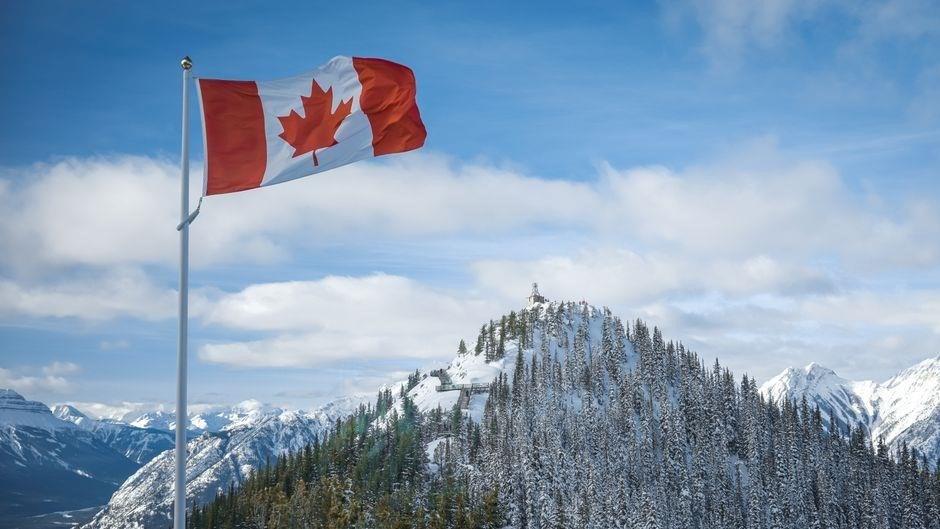
True/False questions in the PDF test quick recognition of facts about Canada’s geography, governance, and culture․ Each statement is concise, and participants must decide whether it is correct or incorrect․ Sample statements include: “Canada’s official languages are English and French․” (True) “The capital city is Toronto․” (False) “The national animal is the beaver․” (True) “There are six time zones across Canada․” (True) “The maple leaf appears on the national flag․” (True) “The province of Quebec is located on the west coast․” (False) “The Prime Minister of Canada is currently Justin Trudeau․” (True)․ The format encourages active recall and helps learners identify common misconceptions․ Answers are provided in a separate key, allowing teachers to quickly assess performance and discuss reasoning behind each fact․ This section is ideal for classroom quizzes, homework assignments, or informal trivia nights with friends and family․ The PDF’s layout is clean and printable, making it easy to distribute and use in various educational settings․ By engaging with true/false items, students sharpen their critical thinking and deepen their understanding of Canada’s unique attributes․ Additional statements cover environmental facts, such as “Canada is the second largest country by land area․” (True) “The country has three official oceans․” (True) “The national flag features a red maple leaf․” (True) “The official motto is ‘A Mari Usque Ad Mare․’” (False)․ The true/false format also includes cultural trivia: “Celine Dion is a Canadian singer․” (True) “The hockey team Toronto Maple Leafs was founded in 1917․” (True) “The Canadian flag was adopted in 1965․” (True) “The Canadian flag’s design was inspired by the Union Jack․” (False)․ Other true/false items touch on Canadian sports: “The Canadian national hockey team is nicknamed the ‘Maple Leafs․’” (False) “The Canadian national soccer team is called the ‘Socceroos․’” (False) “The Canadian national rugby team is known as the ‘Red Devils․’” (False) “The Canadian national baseball team is called the ‘Blue Jays․’” (False) “The Canadian national basketball team is nicknamed the ‘Lions․’” (False)․ These statements challenge common misconceptions and help students verify facts quickly․ The PDF includes a brief bibliography for further reading, ensuring that learners can explore topics in depth․ The true/false section is also useful for quick warm‑up activities at the start of a lesson, setting the tone for a deeper exploration of Canadian history and society․ Finally, the PDF offers a customizable template that educators can adapt to include their own true/false questions, allowing for continuous updates as new facts emerge or curriculum standards evolve․ These items help students verify facts quickly
Fill-in-the-Blank Questions
Fill‑in‑the‑blank questions challenge students to recall specific facts about Canada’s geography, history, culture, and symbols․ Each sentence leaves a key term blank, requiring the learner to supply the correct answer․ Sample items: “The capital of Canada is ______․” (Ottawa)․ “Canada’s national animal is the ______․” (beaver)․ “The official languages are ______ and ______․” (English, French)․ “The national flag was adopted in ______․” (1965)․ “The province of ______ is the smallest by area․” (Prince Edward Island)․ “The largest city by population is ______․” (Toronto)․ “Canada spans ______ time zones․” (six)․ “The maple leaf is a symbol on the ______․” (flag)․ “The national sport is ______․” (hockey)․ “The national anthem is titled ‘______․’” (O Canada)․ These prompts encourage active recall and reinforce learning․ The PDF provides a separate answer key for quick grading․ Educators can tailor the blanks to match curriculum objectives or difficulty level․ The format is ideal for worksheets, classroom quizzes, or homework assignments․ The PDF’s design is clean, with ample space for writing answers, making it printable and user‑friendly․ It also includes a brief explanation for each answer, helping students understand context․ The fill‑in‑the‑blank section is a versatile tool for reinforcing factual knowledge and developing writing skills․ It can be used in group activities, individual practice, or timed tests․ The PDF’s layout supports easy customization, allowing teachers to add new blanks or modify existing ones to keep the material current and engaging․ By incorporating these questions, learners deepen their knowledge of Canada’s unique attributes and improve recall accuracy․

How to Print and Use the PDF
Print the PDF on A4 or Letter paper, selecting portrait orientation․ Use the built‑in print preview to ensure margins are set to 1 inch․ Save a copy for personal use, then distribute copies to classmates or staff․ Keep the PDF file for future edits․ Enjoy!again
Printing Settings and Paper Size
When printing the Canada trivia PDF, choose a standard 8․5″ x 11″ (Letter) or 21․6 cm x 27․9 cm (A4) paper size to match most printers․ Set the orientation to Portrait for the default layout, Landscape․ In the print dialog, select “Fit to Page” or “Scale to 100%” to preserve the original margins and avoid clipping․ Ensure that the “Print Backgrounds” option is enabled so that any colored headers or borders remain visible․ For group sessions, set the “Multiple Pages per Sheet” option to 2 or 4 to save paper, and choose “Print on Both Sides” if your printer supports duplex printing․ Always preview the document before printing to confirm that all questions and answer keys are fully visible and correctly aligned․ Save a copy of the PDF on your local drive or a shared network folder for quick access during quizzes or study sessions․ If you need to adjust the font size for readability, use the “Zoom” feature in the PDF viewer before printing, as this will scale the entire document without altering the file itself․ By following these settings, you’ll produce clean, legible copies that are ready for classroom use, trivia nights, or personal study․
For digital use, the PDF can be opened in any standard viewer․ If you prefer a smaller file size, use the built‑in compression feature before saving․ Remember to keep a backup on cloud storage for easy sharing․ When hosting a quiz, consider using an online platform to collect answers and automatically score participants
Distribution and Sharing Guidelines
The Canada trivia PDF is designed for easy distribution across educational in schools daily and recreational settings․ To share the file, first confirm that the PDF is not password‑protected; if it is, remove the password using a PDF editor or request the original author to provide an unencrypted copy; Once the file is ready, upload it to a reliable cloud storage service such as Google Drive, Dropbox, or OneDrive․ Set the sharing permissions to “Anyone with the link can view” to avoid access restrictions․ For classroom use, create a dedicated folder and add a brief README that explains the quiz format, recommended printing options․ If you plan to host a live trivia night, consider embedding the PDF in a shared Google Slides deck or converting each page to an image that can be displayed on a projector․ When distributing the PDF to a larger audience, include a short disclaimer that the content is for educational purposes only and that the publisher retains all copyright․ Provide a link to the original source or a citation in the document’s footer so that users can credit the creator․ If you wish to modify the questions for a specific event, use a PDF editor to add or delete pages․ Finally, encourage participants to share their scores on social media using a custom hashtag, and remind them that the PDF is free to download and print, but redistribution of the entire file without permission is prohibited․ This approach ensures compliance with licensing terms while maximizing accessibility for learners and trivia enthusiasts alike․

Legal and Licensing Considerations
Before distributing the Canada trivia PDF, verify that all embedded images, logos, and text are either public domain or licensed for reuse․ The default copyright holder is the original author, so any redistribution beyond personal use requires written permission․ If the PDF contains third‑party trivia questions, ensure they are sourced from open‑access databases or have been cleared for commercial use․ For educational institutions, a non‑commercial license often suffices; however, if the material will be sold or used in a paid event, a commercial license must be secured; The PDF’s metadata should include a clear copyright notice and a link to the source․ When sharing online, add a Creative Commons attribution (CC‑BY) badge if the author has granted that license, or a “All rights reserved” statement if not․ Users should be advised to cite the PDF properly in any derivative work․ Finally, keep a record of all permissions and licenses in a shared drive for audit purposes, and update the PDF’s license section whenever a new question set is added or a source changes its terms․
The PDF also offers a quick guide to tailor questions for various age groups, matching difficulty to participants’ knowledge․ A FAQ section covers common concerns about printing, licensing, and digital sharing․ Users can give feedback via a short online survey linked at the document’s end, helping keep future editions fresh and engaging for all audiences․ This resource also includes printable answer sheets and rubrics!!