Dometic 3-Way Fridge User Manual: A Comprehensive Guide
Navigating Dometic’s versatile refrigeration requires understanding its multi-power capabilities, serving diverse needs from RV adventures to off-grid living, ensuring optimal performance․

Understanding 3-Way Fridge Technology
Dometic 3-way refrigerators offer remarkable flexibility, operating on three distinct power sources: AC electricity (typically 110V/230V), DC power (12V/24V, common in vehicles), and liquefied petroleum gas (LPG)․ This adaptability makes them ideal for various applications, including recreational vehicles, boats, cabins, and locations with unreliable grid power․ Unlike traditional compressor-based refrigerators, 3-way fridges utilize an absorption cooling system․
This system employs heat – generated by any of the three power sources – to circulate a refrigerant (typically ammonia and water)․ The process involves boiling, condensing, and evaporating the refrigerant, creating a cooling effect․ The efficiency of a 3-way fridge varies depending on the power source used, with AC generally being the most efficient, followed by DC, and then LPG․ Understanding these nuances is crucial for maximizing performance and minimizing energy consumption․
Dometic 3-Way Fridge Models: An Overview
Dometic offers a diverse range of 3-way refrigerators catering to various needs and spaces; Popular models include the RMD 8551, known for its compact size and efficient performance, ideal for smaller RVs and boats․ The RMD 8555 provides a larger capacity, suitable for families or extended trips․ For those requiring even more space, the Dometic RM2962 offers substantial storage with advanced features․
Key distinctions between models lie in their capacity, dimensions, and energy consumption rates․ Some models feature automatic ignition systems for gas operation, while others require manual lighting․ Interior layouts also vary, with adjustable shelves and door bins offering customization․ Dometic continually updates its lineup, incorporating improvements in cooling technology and energy efficiency․ Always consult the specific model’s documentation for detailed specifications and features․
Safety Precautions and Warnings
Prioritize safety when operating your Dometic 3-way fridge․ Never use flammable materials near the appliance, especially during gas operation․ Ensure adequate ventilation to prevent carbon monoxide buildup, a potentially fatal hazard․ Regularly inspect gas connections for leaks using a soapy water solution – never a flame․

Avoid overloading the fridge, as this can strain the cooling system and reduce efficiency․ Do not attempt to repair gas components yourself; always consult a qualified technician․ Disconnect all power sources (AC, DC, and gas) before cleaning or performing maintenance․ Keep the chimney clear of obstructions to ensure proper gas exhaust․ Be mindful of the fridge’s weight, especially during installation, and secure it properly to prevent tipping․

Installation and Setup
Proper installation is crucial for optimal performance; select a level, well-ventilated space, and carefully connect to AC, DC, or gas, following all guidelines․
Choosing the Right Location
Selecting the ideal location for your Dometic 3-way fridge is paramount for efficient operation and longevity․ Prioritize a level surface to ensure proper door sealing and prevent uneven cooling․ Adequate ventilation is absolutely critical; the fridge requires sufficient airflow around the cooling unit to dissipate heat effectively․
Avoid direct sunlight and proximity to heat sources like stoves or radiators, as these can significantly reduce cooling performance and increase energy consumption․ Ensure there’s ample space around the unit – typically several inches on all sides and above – to facilitate this airflow․
Consider the accessibility of power sources (AC, DC, and gas connections) when choosing a location․ The surface must be strong enough to support the fridge’s weight, especially when fully loaded․ Finally, avoid areas prone to excessive dust or moisture, as these can damage the internal components․
Connecting to Power Sources: AC, DC, and Gas
Dometic 3-way fridges offer remarkable flexibility with AC (mains power), DC (battery), and gas operation․ When connecting to AC, use a properly grounded outlet with the correct voltage – typically 110V or 230V depending on your model and region․ For DC operation, connect to a 12V or 24V battery system, ensuring correct polarity and appropriate fuse protection․
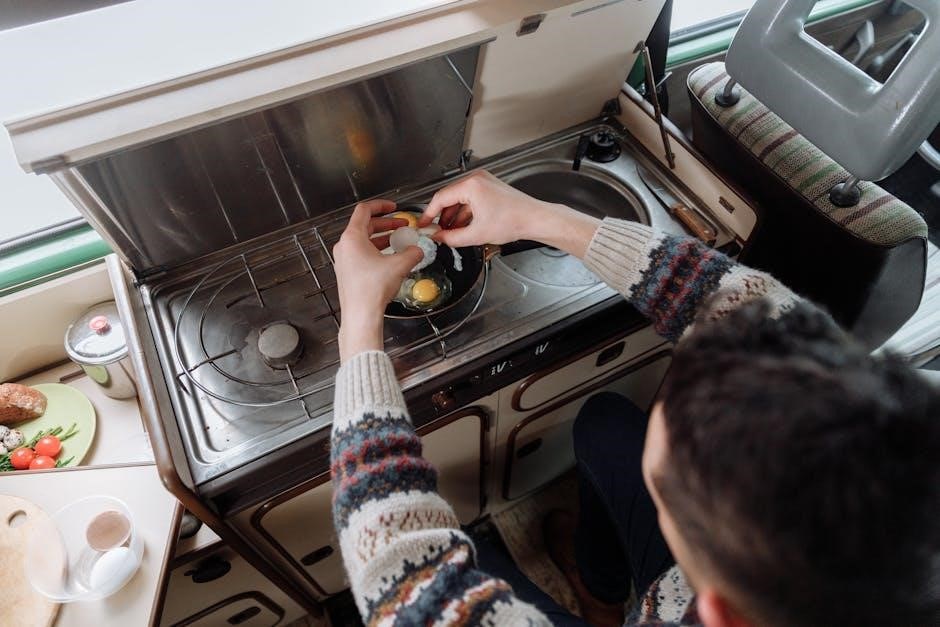
Gas connection requires a qualified technician to install a regulator and gas line, adhering to all local safety regulations․ Always check for gas leaks using a soapy water solution after connection․ When switching between power sources, always turn off the fridge first․
Prioritize AC when available for optimal efficiency․ DC is ideal for travel, and gas provides a backup or off-grid solution․ Refer to your specific model’s documentation for detailed wiring diagrams and gas connection instructions․
Ventilation Requirements and Chimney Installation
Proper ventilation is crucial for Dometic 3-way fridges operating on gas, ensuring efficient combustion and preventing carbon monoxide buildup․ Adequate airflow is essential, requiring specific clearances around the fridge’s ventilation openings – typically several inches on all sides and above․
Chimney installation, when using gas, must be performed by a qualified technician, adhering strictly to local codes and the fridge’s manual․ The chimney must be vertical, of the correct diameter, and securely sealed to prevent gas leaks․
Regularly inspect the chimney for obstructions or damage․ Ensure the ventilation openings inside the fridge are never blocked․ Poor ventilation can lead to reduced cooling performance and potentially dangerous gas accumulation․ Always prioritize safety and follow the manufacturer’s guidelines meticulously․

Operating Your Dometic 3-Way Fridge
Successfully utilizing your fridge involves selecting the appropriate power source – AC, DC, or gas – and adjusting the thermostat for desired cooling performance․
Initial Startup Procedure
Before first use, thoroughly clean the interior of your Dometic 3-way fridge with a mild detergent and warm water solution․ Ensure all packaging materials are removed․ When operating on gas, always perform a leak test on all connections using a soapy water solution – bubbles indicate a leak․
For initial cooling, it’s recommended to operate the fridge on AC power for at least 24 hours to stabilize the cooling unit․ This allows the refrigerant to settle and ensures optimal performance․ Avoid placing food inside until the fridge has reached a stable, cold temperature․
If using DC power, verify the voltage is within the fridge’s specified range․ When switching between power sources, always turn the fridge off first․ Allow several minutes before switching to the new power source to prevent damage to the cooling unit․ Proper initial setup is crucial for longevity and efficiency․
Temperature Control Settings
Dometic 3-way fridges typically utilize a numbered dial for temperature adjustment, ranging from 1 (warmest) to 5 or higher (coldest)․ Setting ‘1’ is often used for minimal cooling or to prevent freezing, while higher numbers deliver progressively colder temperatures․ Experiment to find the ideal setting for your needs, considering ambient temperature and food storage requirements․
Avoid setting the temperature to the maximum cold setting unnecessarily, as this increases energy consumption․ A mid-range setting (3 or 4) is often sufficient for general food preservation․ Remember that temperature settings are relative and may require adjustment based on external conditions․
Regularly monitor the internal temperature with a separate thermometer to ensure optimal food safety․ Consistent temperature control is vital for preserving food quality and preventing spoilage, maximizing the fridge’s efficiency and lifespan․
Using the Thermostat
The Dometic 3-way fridge thermostat regulates the cooling cycle, maintaining the selected temperature․ It operates by sensing the internal temperature and switching the cooling system on or off as needed․ A clicking sound indicates the thermostat is actively cycling, a normal operational characteristic․
Avoid frequent adjustments to the thermostat; allow sufficient time (24 hours) for the fridge to stabilize at the chosen setting․ If the fridge isn’t cooling adequately, first check the power source and ventilation before adjusting the thermostat․ A faulty thermostat may require professional replacement․
Ensure the thermostat bulb (if applicable) isn’t obstructed by food items, as this can lead to inaccurate temperature readings and inefficient operation․ Proper thermostat function is crucial for consistent cooling and energy conservation․
Maintenance and Troubleshooting
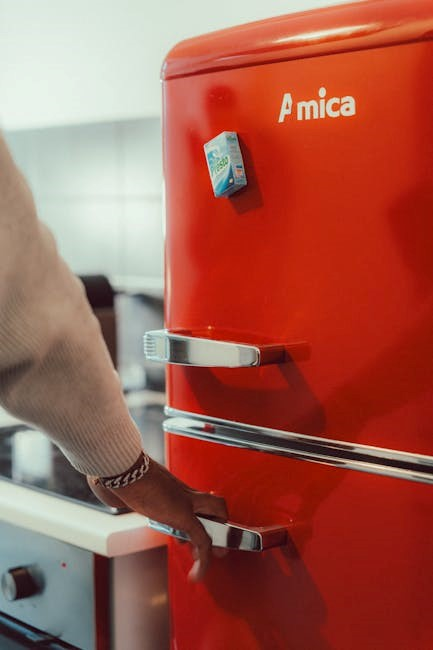
Regular cleaning, defrosting, and system checks are vital for optimal performance and longevity of your Dometic 3-way fridge, preventing common issues․
Cleaning Your Fridge
Routine cleaning is essential for maintaining hygiene and optimal performance of your Dometic 3-way refrigerator․ Before commencing, always disconnect the fridge from all power sources – AC, DC, and gas – to ensure safety․ Remove all food items, shelves, drawers, and any removable components;
Prepare a mild cleaning solution using warm water and a gentle detergent․ Avoid abrasive cleaners, solvents, or harsh chemicals, as these can damage the interior surfaces․ Use a soft cloth or sponge to wipe down all interior surfaces, including walls, shelves, and door seals․ Pay particular attention to spills or stains, addressing them promptly․
For stubborn stains, allow the cleaning solution to sit for a few minutes before gently scrubbing․ Rinse thoroughly with clean water and dry all surfaces with a clean, dry cloth․ Don’t forget to clean the exterior of the fridge with a damp cloth․ Regularly inspect and clean the condenser coils (if accessible) to remove dust and debris, improving cooling efficiency․ Ensure everything is completely dry before reassembling and reconnecting the power․
Defrosting Procedures
Regular defrosting is crucial to maintain efficient cooling and prevent ice buildup within your Dometic 3-way fridge․ Begin by disconnecting the fridge from all power sources․ Remove all food items and store them in a cooler․ Leave the fridge door open to allow the ice to melt naturally – this is the safest method․
To accelerate the process, you can place bowls of warm (not hot!) water inside the fridge․ Avoid using sharp objects like knives or screwdrivers to chip away at the ice, as this can damage the cooling fins․ Once all the ice has melted, thoroughly dry the interior with a soft cloth․
For models with a drain plug, carefully remove it to allow melted water to drain․ Ensure the drain is clear of obstructions․ After defrosting, reconnect the fridge to the power source and allow it to reach the desired temperature before restocking with food․ Frequent defrosting prevents excessive ice buildup and ensures optimal performance․
Common Issues and Solutions: No Cooling
If your Dometic 3-way fridge isn’t cooling, systematically check potential causes․ First, verify the power source – is it correctly connected (AC, DC, or gas)? For gas operation, ensure the gas supply is open and the igniter is functioning․ Check the thermostat setting; it might be set too high․ Inspect the ventilation openings for obstructions, as proper airflow is vital․
A blocked chimney can also prevent gas cooling․ If using DC power, confirm the vehicle’s voltage is sufficient․ A common issue is a failed heating element; this requires professional diagnosis․ Ensure the fridge door seals tightly; If the cooling unit isn’t absorbing ammonia, it may need servicing by a qualified technician․
Finally, excessive frost buildup can hinder cooling; defrost the fridge as outlined in the maintenance section․
Gas System Checks and Safety
Prioritize safety when operating your Dometic fridge on gas․ Regularly inspect the gas hose for cracks or damage, replacing it immediately if found․ Always use a leak detection solution (soapy water) to check all gas connections before each use – bubbles indicate a leak․ Ensure adequate ventilation around the fridge’s chimney to prevent carbon monoxide buildup; never obstruct the vent․
Verify the gas regulator is functioning correctly, maintaining consistent pressure․ Never attempt to modify the gas system․ If you smell gas, immediately shut off the gas supply, extinguish all flames, and ventilate the area․ Do not operate electrical devices that could create a spark․
Professional inspection of the gas system is recommended annually to ensure safe and efficient operation․
Igniter Troubleshooting
A failing igniter is a common issue with Dometic 3-way fridges․ First, ensure the gas supply is open and there’s a sufficient gas level․ If the igniter clicks but doesn’t light the burner, check for obstructions in the burner itself – dust or debris can prevent ignition․ A weak clicking sound suggests low battery voltage; try a fresh battery or boost the 12V supply․
If no clicking sound is heard, inspect the igniter wire for damage or loose connections․ A multimeter can verify voltage is reaching the igniter․ If the igniter glows but doesn’t ignite the gas, the igniter may be nearing the end of its lifespan and require replacement․
Always disconnect the power source before inspecting or replacing the igniter․
Advanced Features and Tips
Maximize cooling efficiency by pre-chilling contents, minimizing door openings, and ensuring proper ventilation; these practices extend fridge life and reduce energy use․
Optimizing Energy Consumption
Dometic 3-way fridges offer flexibility, but maximizing energy efficiency is crucial, especially when using gas or DC power․ Pre-cooling food before loading significantly reduces the initial energy demand on the fridge’s cooling unit․ Minimize frequent door openings, as each opening allows warm air to enter, forcing the system to work harder to maintain the set temperature․
Ensure adequate ventilation around the fridge; restricted airflow hinders heat dissipation, increasing energy consumption․ When operating on gas, verify proper burner flame adjustment for optimal combustion․ Avoid setting the thermostat to the coldest setting unless absolutely necessary, as this draws more power․ Consider using reflective insulation around the fridge’s exterior to minimize heat absorption from the surrounding environment․
Regularly check door seals for airtightness; damaged seals lead to air leaks and increased energy usage․ Finally, when storing the fridge for extended periods, thoroughly clean and dry it to prevent mold growth and maintain its efficiency for future use․
Long-Term Storage Preparation
Preparing your Dometic 3-way fridge for extended storage is vital to prevent damage and ensure it’s ready for use when needed․ Begin by completely emptying the fridge, removing all food items and shelving․ Thoroughly clean the interior with a mild detergent solution and warm water, paying close attention to corners and seals․ Ensure all surfaces are completely dry to prevent mold or mildew growth․
Disconnect the fridge from all power sources – AC, DC, and gas․ For gas models, close the gas supply valve․ Leave the door slightly ajar to allow for ventilation, preventing moisture buildup and odors․ Consider placing a desiccant pack inside to absorb any residual humidity․
Protect the exterior from dust and debris by covering it with a breathable cloth․ Store the fridge in a dry, well-ventilated location, away from direct sunlight and extreme temperatures․
Understanding the Cooling Unit
The heart of a Dometic 3-way fridge is its absorption cooling unit, a sophisticated system differing significantly from typical compressor-based refrigerators․ It utilizes heat – from AC power, DC power, or propane gas – to drive a cycle involving ammonia, hydrogen, and water․ This process creates a cooling effect without moving parts, enhancing reliability and minimizing noise․
The unit comprises a generator, condenser, evaporator, and absorber․ Heat boils ammonia, which then condenses, releasing heat․ The condensed ammonia evaporates, absorbing heat from inside the fridge․ This cooled ammonia is then reabsorbed, restarting the cycle․
Understanding this process is crucial for troubleshooting․ Issues often stem from gas supply problems, blocked vents, or a tilted unit disrupting the fluid flow․ Regular maintenance ensures optimal performance of this complex system․

Technical Specifications
Dometic 3-way fridges vary in size and consumption; detailed specifications—dimensions, weight, AC/DC/gas usage—are found in your model’s specific documentation․
Dimensions and Weight
Understanding the physical characteristics of your Dometic 3-way fridge is crucial for proper installation and ensuring it fits seamlessly into your intended space․ Dimensions vary significantly between models, ranging from compact units suitable for smaller RVs or boats to larger refrigerators designed for full-sized kitchens․ Typical heights fall between 30 to 36 inches, widths from 18 to 24 inches, and depths around 20 to 24 inches․
However, always consult your specific model’s documentation for precise measurements․ Weight is another critical factor, especially for mobile applications․ Smaller models might weigh between 60 to 80 pounds, while larger units can exceed 100 pounds․ This weight impacts vehicle load capacity and installation requirements․ Accurate weight information is vital for safe and stable operation, preventing potential issues during travel or use․ Proper consideration of both dimensions and weight ensures a secure and efficient setup․
Power Consumption Details
Dometic 3-way fridges offer flexibility in power sources, but understanding their consumption is key to efficient operation and preventing energy drain․ AC power consumption typically ranges from 70 to 150 watts when running on 120V or 230V, depending on the model and cooling demand․ DC power draw, operating on 12V, usually falls between 6 to 12 amps․ Gas consumption varies significantly based on the model and thermostat setting, generally between 100 to 300 grams of propane per 24 hours․
These figures are estimates; actual consumption depends on ambient temperature, door opening frequency, and internal load․ Utilizing energy-saving features, like optimal temperature settings and minimizing door openings, can significantly reduce power usage․ Monitoring power consumption helps optimize performance and extend battery life when operating off-grid․ Always refer to your model’s specifications for precise details․
Gas Consumption Details
Dometic 3-way fridges utilize propane or LPG as a power source, offering convenience for remote locations․ Gas consumption is influenced by factors like ambient temperature, thermostat setting, and fridge model․ Generally, expect a consumption rate between 100 to 300 grams (approximately 0․35 to 10․6 ounces) of propane per 24-hour period․ Lower temperatures and higher thermostat settings will increase gas usage․
Regularly check gas connections for leaks using a soapy water solution․ Ensure adequate ventilation to prevent carbon monoxide buildup․ Proper gas pressure is crucial for efficient operation; consult your manual for recommended settings․ Monitoring gas levels and understanding consumption patterns allows for proactive refills and prevents unexpected interruptions․ Always prioritize safety when using gas appliances․