Ski Sizing Guide: Finding the Perfect Fit
Navigating the world of ski equipment requires understanding proper sizing, considering factors like skill level and terrain.
Controllers utilize radar depictions, even with data limitations, to ensure safe flight operations.
Events like Bucharest Online and Staff it Up Sunday enhance the virtual aviation experience.
Understanding Ski Length
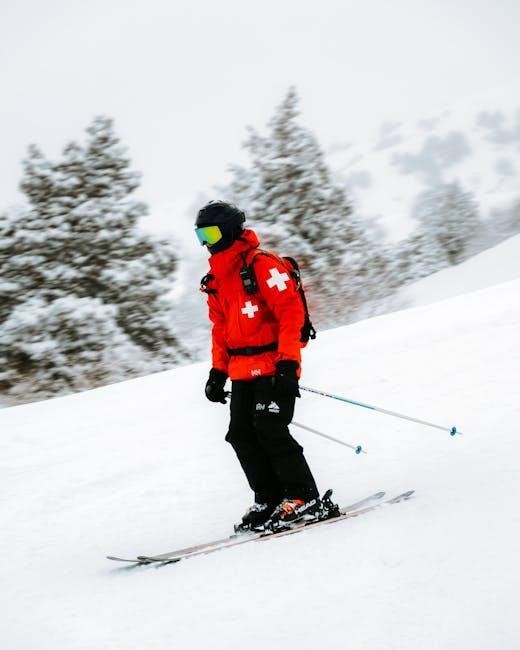
Ski length is a crucial starting point, influencing control and stability. Historically, skiers chose lengths based on height, but modern approaches are more nuanced.
Controllers rely on radar depictions, despite potential delays and shadowing, for situational awareness.
VATSIM events, like those in Kyiv and Bucharest, offer immersive experiences.
Proper length allows for comfortable turning and maneuverability, adapting to various snow conditions and personal preferences.
Factors Influencing Ski Size
Several elements beyond height dictate optimal ski size. Skier weight significantly impacts the necessary length and stiffness. Skill level—beginner, intermediate, or advanced—demands adjustments for control.
Aviation controllers manage airspace using radar, even with data imperfections.
Events like CityHopping and Staff it Up Sunday demonstrate community engagement. Skiing style, whether all-mountain, freestyle, or racing, further refines the selection process.
Skier’s Height and Weight
Height provides a starting point, but weight is crucial for ski sizing. Heavier skiers require longer, stiffer skis for stability. Lighter skiers benefit from shorter skis for maneuverability.
Virtual pilots utilize ATC add-ons like Radar Contact alongside VATSIM.
Events such as the Kyiv Radar exam and Bucharest Online foster skill development. Accurate weight consideration ensures optimal performance and control on the slopes.
Skill Level: Beginner, Intermediate, Advanced
Ski size recommendations vary significantly based on skill. Beginners typically benefit from shorter skis for easier turning and control. Intermediate skiers can explore all-mountain options. Advanced skiers often prefer longer, more responsive skis.
VATSIM events, like Staff it Up Sunday, enhance the virtual flying experience.
Consider your ability; proper sizing boosts confidence and progression.
Skiing Style: All-Mountain, Freestyle, Racing
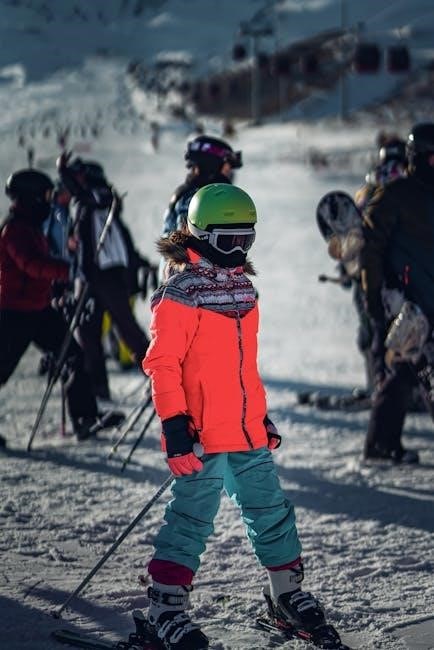
Your preferred skiing style dictates optimal ski size. All-mountain skis require versatile lengths. Freestyle skiers often choose shorter skis for park maneuvers. Racing skis demand precise sizing for speed and carving.
VATSIM controllers manage airspace, utilizing radar depictions.
Events like Bucharest Online provide immersive virtual ATC experiences, mirroring real-world operations.
Determining Your Ski Size
Accurate ski sizing involves multiple approaches. Height-based charts offer a starting point, but weight ranges refine the selection. Consider your skill level and skiing style.
VATSIM forums archive past discussions, preserving valuable pilot knowledge.
Events like the Kyiv Radar exam demonstrate commitment to realistic ATC procedures, enhancing the virtual flying experience.
Using Height-Based Charts
Height charts provide a preliminary ski length suggestion. These charts categorize skiers by height, offering a baseline recommendation. However, remember these are generalizations.
VATSIM controllers manage airspace, utilizing radar and procedures for safe separation.
Events like CityHopping showcase collaborative efforts, while discussions on ATC preferences highlight diverse pilot choices.
Considering Weight Ranges
Weight significantly impacts optimal ski size. Heavier skiers generally require longer skis for stability and control, while lighter skiers benefit from shorter lengths for maneuverability. Charts often include weight ranges alongside height.
VATSA development directors focus on regional resource organization, mirroring the structured approach needed for ski selection.
Events and forums foster a vibrant aviation community.
Ski Width and Terrain
Ski width dictates performance on different snow conditions. Wider skis excel in powder, providing floatation, while narrower skis carve efficiently on groomed runs.
Like controllers managing airspace with radar, selecting the right ski width requires understanding the environment.
Aviation events, such as CityHopping, demonstrate coordinated efforts, similar to choosing skis for varied terrain.
Waist Width Explained
Waist width, measured in millimeters, is crucial for ski selection. A narrower waist (under 85mm) suits hardpack and carving, offering quick edge-to-edge transitions. Wider waists (90mm+) thrive in soft snow, enhancing floatation.
Just as pilots rely on radar ranges for separation, understanding waist width ensures optimal performance. VATSIM events highlight the importance of precise coordination.
Narrower Skis for Groomed Runs
Skis with a waist width under 85mm excel on groomed runs. Their reduced surface area provides exceptional edge hold and responsiveness, ideal for carving precise turns. Like controllers managing traffic with radar, narrower skis demand precision.
Events such as the Kyiv Radar exam emphasize skill. These skis prioritize speed and control on prepared surfaces, offering a dynamic skiing experience.
Wider Skis for Powder and Off-Piste
Skis exceeding 95mm in waist width are designed for deep snow and off-piste adventures. The increased surface area provides floatation, preventing sinking in powder. Similar to VATSIM’s regional development, wider skis broaden your terrain options.
Events like CityHopping demonstrate exploration. They offer stability and control in variable conditions, enabling confident navigation through challenging terrain.
Ski Shape and Rocker Profile
Ski shape and rocker dramatically influence performance. Camber provides edge hold on hardpack, while rocker enhances floatation and maneuverability. Like a controller managing airspace, understanding these profiles is crucial. VATSIM events require precise coordination, mirroring the need for balanced ski design.
Rocker profiles vary, offering different levels of versatility for diverse conditions and skiing styles.
Camber vs. Rocker
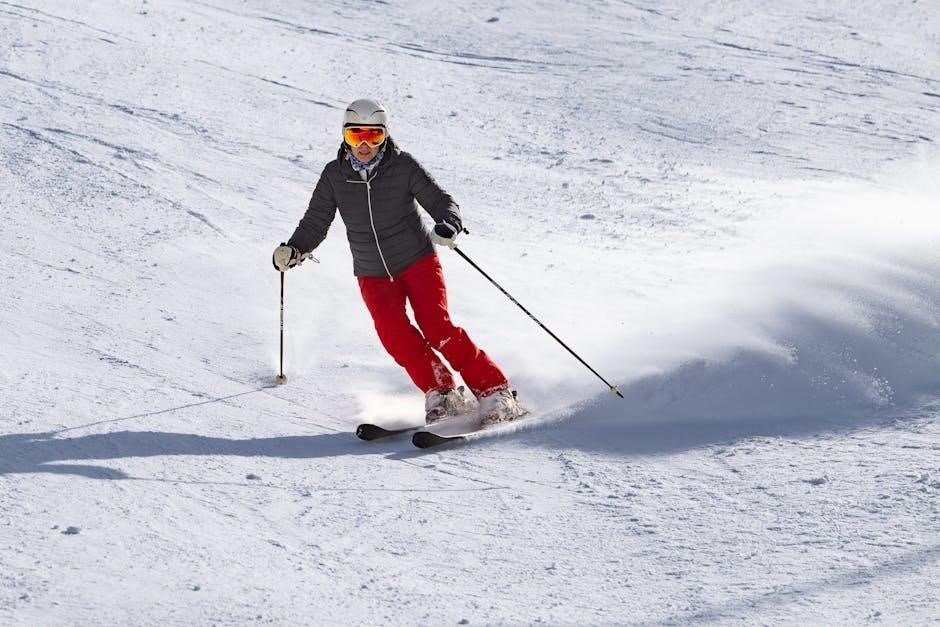
Camber delivers powerful edge grip, ideal for carved turns on groomed runs – akin to a pilot’s precise control. Rocker, conversely, lifts the ski tip and tail, improving float in powder and easing turn initiation. VATSIM’s radar systems, like ski rocker, enhance situational awareness. Combining both creates versatile profiles, balancing stability and playfulness for varied terrain.
All-Mountain Rocker Profiles
All-mountain skis often feature tip and tail rocker, with camber underfoot for edge hold – mirroring a controller’s balanced approach. This design excels in diverse conditions, from groomed trails to soft snow. Like VATSIM events fostering community, these skis adapt to varied scenarios. They offer forgiveness and versatility, making them popular for intermediate to advanced skiers.
Tip and Tail Rocker Benefits
Tip and tail rocker elevate skis above traditional camber, enhancing maneuverability – similar to a pilot navigating airspace. This design reduces edge catch and improves floatation in powder. Like a radar providing crucial data, rocker offers responsiveness. It allows for easier turning and playful performance, adapting to changing terrain. It’s ideal for skiers seeking versatility and a forgiving ride.
Boot Sole Length (BSL) and Ski Size
Boot Sole Length (BSL) is a precise measurement crucial for accurate ski sizing, akin to a controller’s precise radar range settings. It dictates the binding’s position and, consequently, ski performance. BSL impacts ski size calculations, ensuring optimal balance and control. Utilizing BSL provides a more personalized fit than height alone, mirroring the tailored approach of VATSIM events.
What is BSL?
Boot Sole Length (BSL) represents the length of your ski boot’s sole, measured in millimeters, similar to how radar accurately depicts aircraft positions. It’s not your foot size, but the actual boot’s length. This measurement is vital for determining the correct binding size and ensuring proper ski control, much like a pilot relies on ATC for safe navigation during events.
BSL’s Impact on Ski Size Calculation
BSL significantly refines ski size recommendations, surpassing height-based charts. Like controllers managing airspace with precision, BSL accounts for individual boot volume. A longer BSL generally necessitates a slightly longer ski for stability, mirroring how reduced separation relies on accurate radar ranges. It’s crucial for optimal performance, ensuring a responsive and controlled skiing experience, similar to a smooth flight.
Ski Size for Different Disciplines
Ski sizing varies dramatically based on discipline, much like flight plans differ for various destinations; Alpine skis favor shorter lengths for carving, while freestyle demands maneuverability. Touring skis prioritize floatation in powder, often longer. Just as VATSIM events require specific procedures, each discipline demands a tailored ski length for peak performance and control, mirroring the precision of air traffic management.
Alpine Skiing (Carving) Sizing
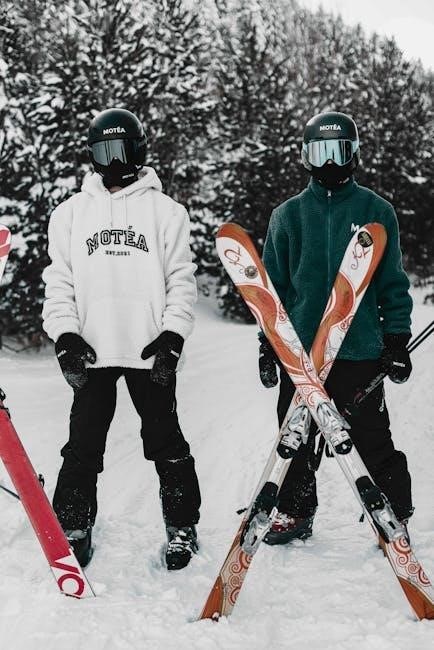
For carving, prioritize responsiveness and edge grip. Generally, skis should reach somewhere between your chin and the top of your head. Shorter lengths enhance quick turns, while longer skis offer stability at higher speeds – akin to a pilot adjusting airspeed. Consider your weight; heavier skiers need longer skis, mirroring the impact of aircraft weight on flight characteristics, ensuring optimal control on groomed runs.
Freestyle Skiing (Park & Pipe) Sizing
Freestyle skiers often prefer shorter skis for maneuverability. Aim for a length reaching between your chin and shoulder height, facilitating spins and tricks – similar to a pilot’s precise control inputs. This allows for quick rotations and playful handling in the terrain park. Like VATSIM controllers managing traffic, shorter skis demand quicker reactions and precise technique for successful execution.
Touring Skiing (Backcountry) Sizing
Backcountry touring demands a balance of uphill efficiency and downhill performance. Generally, size up slightly compared to all-mountain skis – typically around your height or even a bit longer. This provides stability and float in powder, mirroring the broader scope of radar coverage needed for safe navigation. Like VATSIM events, backcountry skiing requires preparation and awareness.
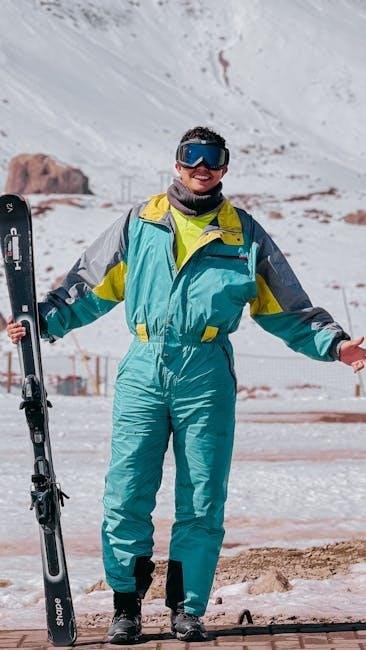
Adjusting Ski Size Based on Personal Preference
Personal preference significantly impacts optimal ski size. Aggressive skiers often prefer slightly longer skis for enhanced stability at speed, akin to controllers needing precise radar data. Conservative skiers might opt for shorter lengths for easier maneuverability. Ski flex also plays a role; a stiffer ski feels longer. Consider your style, mirroring the choices pilots make within VATSIM’s virtual airspace.
Aggressive vs. Conservative Sizing
Aggressive sizing favors longer skis, demanding more effort but rewarding with stability, much like a controller managing complex airspace. Conservative sizing uses shorter skis, prioritizing ease of turning and control, similar to pilots preferring default ATC. Consider your typical terrain and skiing style; a challenging mountain demands a more aggressive approach, mirroring VATSIM’s realistic simulations.
Impact of Ski Flex
Ski flex significantly influences performance, akin to a pilot’s responsiveness to ATC instructions. Softer flex is forgiving, ideal for beginners, while stiffer flex provides precision for experts, mirroring advanced VATSIM procedures. Flex interacts with skier weight and ability; a heavier skier needs stiffer skis, just as a busy controller requires robust systems. Consider your skill level when selecting appropriate flex.
Where to Get Professionally Fitted
A professional boot fitter ensures optimal ski performance, much like a skilled controller managing airspace. Benefits include precise boot alignment and customized adjustments for comfort and control. Expect a detailed foot analysis, pressure mapping, and shell fitting. They’ll consider your anatomy and skiing style, mirroring the thoroughness of a VATSIM position checkride. Seek expertise for a superior experience.
Benefits of a Professional Boot Fitter
Expert boot fitting enhances performance, akin to a controller’s precise radar management. They minimize pressure points, improve power transfer, and maximize comfort, preventing fatigue. Like VATSIM’s dedication to realism, fitters prioritize detail. Expect customized footbeds, shell modifications, and liner adjustments. This investment reduces injury risk and elevates your skiing, mirroring the safety focus of aviation.
What to Expect During a Fitting
A professional fitting begins with a detailed foot assessment, similar to pre-flight checks for controllers. Expect measurements of length and width, plus an analysis of your arch and gait. The fitter will then recommend boot models, considering your skill and skiing style. Multiple boots will be tried, with adjustments made until optimal comfort and performance are achieved – a process mirroring VATSIM’s collaborative environment.
Online Ski Size Calculators
Numerous online tools offer ski size estimations, functioning like a simplified radar scope for beginners. These calculators typically request height, weight, and skill level. However, remember these are generalizations, akin to delayed data in aviation. Limitations exist; they can’t replicate a professional fitting. Use them as a starting point, but prioritize expert advice for a truly personalized recommendation, much like VATSIM’s experienced controllers.
Popular Calculator Tools
Several websites provide ski sizing calculators, functioning similarly to flight planning tools for virtual pilots. REI, Evo, and Ski.com are frequently cited resources. These tools often incorporate brand-specific charts, mirroring the detailed facility files used in VATSIM. While convenient, remember these are estimates, like radar ranges. Always cross-reference with professional advice, ensuring a safe and enjoyable experience on the slopes, just as controllers prioritize safe airspace.
Limitations of Online Calculators
Online ski size calculators, while helpful, aren’t foolproof – akin to relying solely on default FS9 ATC. They lack personalized assessment, similar to how radar shadowing impacts controller depictions. Factors like aggressive vs. conservative skiing style, and nuanced flex preferences aren’t fully accounted for. Treat results as starting points, not definitive answers. Professional boot fitting remains crucial, mirroring the need for real people in VATSIM for optimal control.
Understanding Ski Flex
Ski flex, rated numerically, dictates a ski’s stiffness – impacting performance like ATC add-ons versus VATSIM’s real-people control. Lower numbers mean softer flex, ideal for beginners, while higher numbers suit aggressive skiers. Matching flex to skill is vital; a too-stiff ski hinders control, mirroring limited radar ranges. Consider weight and skiing style for optimal responsiveness, similar to event coordination within ROvACC.
Flex Ratings Explained
Flex ratings typically range from 1 to 10, mirroring the structured methods needed for VATSA resource development. A 1-3 flex is very soft, forgiving for beginners, like default FS9 ATC. 4-6 is medium, versatile for varied terrain, akin to successful CityHopping events. 7-10 is stiff, demanding precision for experts, similar to Kyiv Radar position exams. Consider your weight – heavier skiers need stiffer flex.
Matching Flex to Skill Level
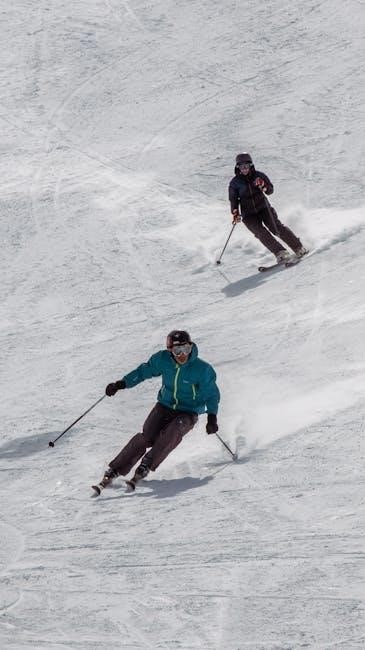
Beginners (like those new to VATSIM) benefit from softer flexes (1-3), promoting easier turning and control. Intermediate skiers (familiar with Bucharest TMA) thrive with medium flexes (4-6), offering balance and responsiveness. Advanced and expert skiers (ready for Myrtle Beach KMYR) demand stiffer flexes (7-10), for power and stability. Remember, a proper flex enhances performance, mirroring a well-staffed ARTCC.
Ski Size Charts by Brand
Rossignol, Salomon, and Head each offer unique sizing recommendations, akin to differing facility files in VATSIM. Charts consider height, weight, and skill, much like controllers assess pilot experience. Always consult the brand’s specific chart, as variations exist. Remember, a precise fit, like accurate radar ranges, is crucial for optimal performance and a smooth, enjoyable experience on the slopes.
Rossignol Ski Sizing
Rossignol charts typically categorize skiers by height and weight, mirroring how VATSIM organizes pilots by facility access. Beginners often benefit from shorter lengths, while advanced skiers may prefer longer skis for stability, similar to experienced controllers handling complex airspace. Consider your skiing style; all-mountain skis require different sizing than carving or freestyle models. Always prioritize a comfortable and controlled feel, like a smooth handoff between sectors.
Salomon Ski Sizing
Salomon’s sizing recommendations, like VATSIM’s event scheduling, emphasize a personalized approach. Generally, Salomon skis are sized similarly to other brands, using height and weight as primary indicators. However, consider your skill level; beginners should opt for shorter lengths for easier turning, mirroring simplified ATC instructions. Aggressive skiers may prefer longer skis, demanding precise control, akin to navigating complex radar environments.
Head Ski Sizing
Head ski sizing, much like coordinating a CityHopping event, requires careful planning. Typically, Head suggests sizing down slightly compared to some other brands, prioritizing maneuverability. Consider your weight range; heavier skiers need longer skis for stability, similar to maintaining separation in busy airspace. Like VATSA’s development director role, Head focuses on structured methods for optimal performance, ensuring a responsive and controlled ride.
Common Mistakes to Avoid
Over-sizing skis, like relying solely on default FS9 ATC, can hinder control. Under-sizing, similar to lacking 3nm radar ranges, limits stability. Ignoring weight is a frequent error; heavier individuals need longer skis. Don’t skip demoing, as preferences vary – much like pilots choosing VATSIM over other platforms. Prioritize a professional fitting to avoid costly mistakes and maximize enjoyment on the slopes.
Over-Sizing Skis
Choosing skis too long resembles pilots preferring default ATC – a seemingly simple choice with drawbacks. Over-sized skis become unwieldy, demanding excessive effort for turns and control, much like managing complex airspace without proper tools. They reduce maneuverability, hindering progression for beginners. Consider the limitations, similar to radar shadowing affecting depictions, and prioritize responsiveness over perceived stability. A proper fit enhances enjoyment, avoiding frustration on the slopes.
Under-Sizing Skis
Selecting skis too short mirrors relying on outdated facility files – a risk to performance. Under-sized skis lack stability at higher speeds, akin to reduced separation areas without proper radar ranges. They offer limited floatation in powder, hindering off-piste adventures. Like a controller preparing for an exam, precision is key; a correct length provides control and confidence. Avoid this mistake, prioritizing a balanced experience over perceived ease of turning.
Demoing Skis Before You Buy
Testing skis is paramount, much like pilots utilizing VATSIM for realistic flight simulation. A demo allows you to experience firsthand how a ski performs, mirroring the benefits of real-person ATC over default settings. Rental programs offer affordable trials, similar to event participation like Bucharest Online. Don’t commit without testing; find the perfect fit, avoiding costly mistakes. It’s an investment in enjoyment, ensuring optimal performance on the slopes.
The Importance of Testing
Ski demos are crucial, akin to a pilot’s practical exam for a radar position rating. Just as controllers need validation, skiers benefit from experiencing skis firsthand. Testing reveals nuances charts can’t convey, mirroring the complexities of real ATC versus simulations. It’s about feel, not just numbers, like preferring live ATC over default settings. Avoid assumptions; a demo ensures a confident, enjoyable experience on the mountain.
Demo Programs and Rentals
Many resorts offer demo programs, similar to VATSIM events like Bucharest Online, providing access to various ski models. Rentals are a cost-effective starting point, like using default FS9 ATC before investing in add-ons. Explore options at local shops and mountain retailers. Consider the duration; a full-day demo allows for thorough evaluation, mirroring a CityHopping event’s scope. Don’t hesitate to ask staff for guidance—they’re your virtual controllers!
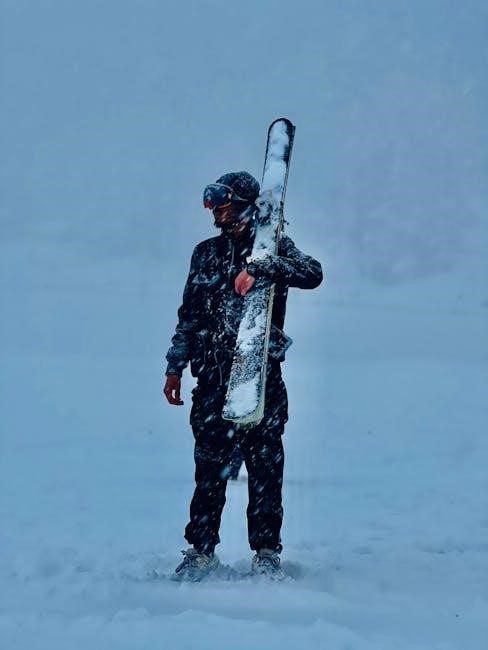
Ski Sizing for Children
Children’s ski sizing differs significantly, mirroring the developmental focus within VATSA’s regional resources. Account for rapid growth; avoid over-sizing, unlike common ski mistakes. Prioritize comfort and control, similar to ensuring smooth ATC transitions. Age-based charts offer a starting point, but consider individual development. Regularly reassess fit as they grow, much like updating facility files for radar ranges.
Growth Considerations
Children experience growth spurts, demanding frequent ski re-evaluation, mirroring the dynamic nature of VATSIM events. Avoid buying skis too large “to grow into,” hindering control, like delayed radar data impacting depictions. Consider seasonal rentals as a cost-effective solution, similar to demo programs. Prioritize a comfortable fit now, rather than anticipating future size, ensuring a positive experience.
Age-Based Recommendations
For children under 8, prioritize shorter skis for maneuverability, akin to controllers managing airspace during peak VATSIM hours. Generally, skis should reach between their chin and nose. As children progress (8-12), length can extend towards the shoulder. Teenagers can approach adult sizing, but consider their weight and skill, mirroring pilot preferences for ATC systems. Regular assessment is crucial, like monitoring facility file ranges.