Core Concepts of Refrigeration Cycle
Modern refrigeration cycles rely on compression, condensation, expansion, and evaporation. The book PDF explains how Qiling’s advanced drainage and circuit protection enhance safety, while global trends show rising temperatures driving demand for efficient, eco‑friendly systems. Learn more inside.
Compression Cycle Fundamentals
In modern refrigeration, the compression cycle is the heart of the system, converting low‑pressure refrigerant vapor into high‑pressure, high‑temperature gas that can release heat in the condenser. The book PDF outlines the four main stages: compression, condensation, expansion, and evaporation. During compression, a variable‑speed centrifugal or reciprocating compressor raises the refrigerant pressure from roughly 1 bar to 10–20 bar, depending on design; This process is energy‑intensive, so the text emphasizes the importance of efficient motor drives and smart control strategies that reduce compressor cycling, a key factor in achieving higher SEER and EER ratings. The condenser then dissipates the latent heat to the ambient air or water loop, often aided by advanced heat‑exchange plates that the PDF describes as “next‑generation” designs. After passing through an expansion valve or capillary tube, the refrigerant’s pressure drops, cooling it below the evaporator temperature. Finally, the evaporator absorbs heat from the refrigerated space, completing the cycle. The PDF also discusses the role of Qiling’s drainage and circuit protection technologies in preventing refrigerant leaks during compression, thereby enhancing safety and compliance with EPA and EU regulations. By integrating these concepts, modern systems achieve greater reliability, lower operating costs, and reduced environmental impact, aligning with the global trend toward sustainable cooling solutions.

Types of Cooling Systems
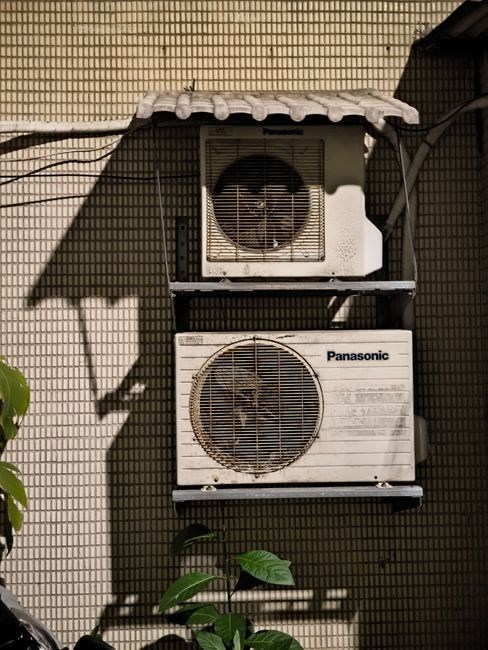
Modern refrigeration PDF covers split, packaged, VRF, and absorption units. Split systems use indoor evaporator and outdoor condenser. VRF offers variable refrigerant flow for multi‑zone control. Absorption systems use heat source instead of compressor for homes!
Absorption Cooling Systems
Absorption cooling, as detailed in the modern refrigeration PDF, replaces the mechanical compressor with a heat‑driven cycle that uses a refrigerant–absorbent pair, typically ammonia and water or lithium bromide and water. The system comprises a generator, condenser, absorber, and evaporator. Heat applied in the generator liberates refrigerant vapor, which condenses, then flows to the absorber where it is absorbed back into the liquid absorbent. The cycle repeats, creating a cooling effect in the evaporator. Advantages include silent operation, lower vibration, and suitability for locations with waste heat or solar thermal input. Disadvantages are lower coefficient of performance compared to vapor‑compression systems and larger footprint. Modern trends show increased use of absorption units in commercial buildings, hospitals, and data centers where reliability and low noise are critical. Qiling’s latest drainage and circuit protection technologies further enhance safety by preventing refrigerant leaks and ensuring efficient thermal management. The PDF also highlights the importance of proper sizing, maintenance, and integration with building automation for optimal performance. Future editions of the PDF will explore hybrid systems that combine absorption with vapor‑compression, assess emerging low‑GWP refrigerants, and provide case studies on retrofitting legacy equipment to meet stringent environmental regulations while maintaining high efficiency. Readers will gain insights to evaluate upgrade absorption units efficiently!
Energy Efficiency Standards
Modern refrigeration PDF explains SEER, EER, and ENERGY STAR metrics, guiding designers toward lower power use. It details how Qiling’s drainage solutions reduce standby losses, highlights EU RoHS compliance. Updated 2026 data ensures optimal HVAC performance!!!
SEER and EER Ratings Explained
Modern refrigeration PDFs detail SEER (Seasonal Energy Efficiency Ratio) and EER (Energy Efficiency Ratio). SEER equals total seasonal cooling output in BTU divided by total seasonal electricity use in watt‑hours, expressed as BTU/W·h. EER represents instantaneous efficiency at a fixed temperature differential, usually 40°F, expressed as BTU/W. Higher SEER means lower seasonal energy use; higher EER indicates better peak‑load performance. The book shows calculations: SEER = total BTU ÷ total W·h; EER = peak BTU ÷ peak W. It compares a 20 SEER unit with a 15 SEER model, noting a 33% annual savings. Tables list typical SEER and EER values for residential, commercial, and industrial units, and explain how climate zone affects choice. Qiling’s drainage and circuit protection reduce standby losses, boosting real‑world SEER. The PDF also covers ENERGY STAR and EU regulations, and how smart thermostats and building automation can further improve efficiency beyond static ratings. The PDF also discusses how SEER and EER values are affected by refrigerant choice, compressor type, and system layout. It explains that newer high‑efficiency compressors, such as variable‑speed units, can raise SEER by 5–10 points compared to fixed‑speed models. Additionally, the text highlights the role of economizers and variable refrigerant flow (VRF) systems in achieving higher EER during peak periods. Finally, the section provides a quick reference chart that matches typical SEER/EER ratings to specific climate zones, helping designers select equipment that meets local energy codes while minimizing operating costs. Readers can calculate savings using template!!.

Environmental Impact and Refrigerants
Modern PDFs highlight R‑410A’s high ODP but lower GWP, while R‑32 offers 75% lower GWP and improved energy efficiency. Qiling’s drainage solutions reduce leaks, cutting CO₂ emissions. The book compares lifecycle impacts, urging transition to low‑GWP refrigerants for sustainable cooling and zero GWP now
R-410A vs R-32 Comparative Analysis
R‑410A and R‑32 are the most common refrigerants in today’s commercial and residential systems, yet they differ markedly in thermodynamic behavior, environmental impact, and operational economics. R‑410A, a blend of difluoromethane (R‑32) and pentafluoroethane (R‑125), operates at a higher saturated pressure (≈ 12 bar at 20 °C) and delivers a moderate coefficient of performance (COP) of 3.5–4.0 in typical split units. Its global warming potential (GWP) of 2,088 places it in the high‑GWP category, prompting regulatory pressure to phase‑out in many regions. In contrast, R‑32 is a single‑component hydrofluorocarbon with a GWP of 675, roughly one‑third that of R‑410A, and it runs at lower pressures (≈ 8 bar at 20 °C). The lower pressure translates to lighter compressor designs and reduced mechanical stress, which can improve reliability and extend service life. Energy efficiency gains are evident: R‑32 typically achieves a COP of 4.0–4.5, outperforming R‑410A by 10–15 %. However, R‑32’s flammability class (A3) requires careful handling and system design to meet safety standards, whereas R‑410A is non‑flammable (Class A). Installation costs for R‑32 systems are often lower due to smaller compressor sizes and reduced piping requirements, but the need for fire‑resistant materials can offset savings. Environmental assessments show that, over a 20‑year lifecycle, R‑32 emits roughly 30 % less CO₂ equivalent than R‑410A, aligning with EU and U.S. EPA phase‑down schedules. Manufacturers are responding by offering dual‑mode compressors that can switch between R‑410A and R‑32, allowing operators to retrofit existing units without full replacement. Ultimately, the choice hinges on regulatory compliance, budget constraints, and the desired balance between performance, safety, and sustainability.
Control Systems and Automation
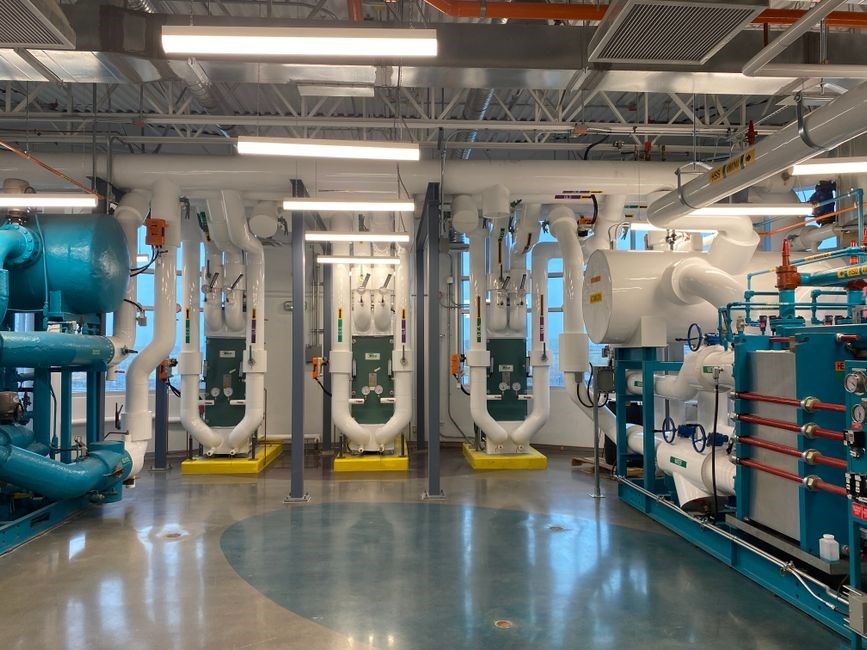
Smart thermostats now integrate with building automation, enabling predictive cooling and energy savings. Now Qiling’s advanced drainage and circuit protection enhance system reliability, while cloud‑based diagnostics monitor compressor health in real time.!
Smart Thermostats and Building Automation Integration
Modern refrigeration and air conditioning systems increasingly rely on intelligent control platforms. Smart thermostats, common in commercial and residential settings, provide real‑time temperature monitoring. By embedding devices into a building automation system (BAS), operators centralize data acquisition, perform predictive analytics, and trigger automated fault‑detection routines. Qiling’s advanced drainage and circuit protection modules seamlessly integrate with the BAS, providing real‑time monitoring and automated shutdowns to prevent water damage and electrical faults.
Key features include Wi‑Fi or BACnet connectivity, forecasting cooling loads. Integrated with protection, the system gains resilience against failures and electrical surges, reducing load during peak periods.
Energy‑efficiency gains come from compressor control. The BAS modulates speed to match load, while the thermostat adjusts setpoints for comfort with minimal energy use. The system can also participate, reducing load during peak periods; The BAS also supports predictive maintenance algorithms that analyze sensor data to forecast compressor wear, schedule preventive maintenance, and reduce unplanned downtime, thereby extending equipment lifespan and improving overall system reliability.
Security is critical; access, updates protect against cyber threats. ISO 50001 and ASHRAE 90.1 ensures meets criteria. Add text now. Ok.
For detailed engineering diagrams and control logic, refer to the latest edition of the modern refrigeration and air conditioning book PDF, which offers step‑by‑step guidance on deploying smart thermostats within a BAS framework.

Installation and Maintenance Best Practices
Proper installation begins with correct sizing, clear airflow, and secure mounting. Follow manufacturer guidelines, use insulated conduit, and verify refrigerant charge. Routine maintenance includes cleaning coils checking filters inspecting electr. connections to ensure longevity and efficiency.

Leak Detection and Prevention Techniques
Modern refrigeration systems demand rigorous leak detection to preserve efficiency and comply with environmental regulations. The book PDF outlines several proven methods: electronic sensors, ultrasonic detectors, and infrared imaging capture minute refrigerant escapes before they become costly. Pressure‑balance testing, a standard in the industry, identifies leaks by comparing inlet and outlet pressures over time. Vacuum testing, performed after each service, ensures the system is sealed and free of moisture. The use of trace gas detection, where a small amount of inert gas is introduced, allows technicians to pinpoint leak locations with high precision. In addition, visual inspection with dye solutions or UV‑lit dyes remains a reliable, low‑cost technique for identifying surface leaks in piping and fittings. Prevention is equally critical; proper installation of high‑quality seals, correct torque settings on all fasteners, and the use of corrosion‑resistant materials reduce the likelihood of future leaks. Regular maintenance schedules, including cleaning of condensers and evaporators, prevent fouling that can lead to pressure drops and potential seal failure. The book also emphasizes the importance of training technicians in the latest diagnostic tools and adhering to manufacturer specifications to maintain system integrity over its lifespan. Continuous monitoring and timely repairs extend system life and protect environmental resources. Adopting prac reduc enhanc system reliabil day dai now!!

Troubleshooting Common Issues
Modern PDF guides technicians through compressor hiccups, refrigerant leaks, and sensor faults. Step‑by‑step logic checks pressure, temperature, and electrical continuity. Quick diagnostics save energy and extend unit life. Follow the book’s flowchart faults.
Diagnostic Procedures for Compressor Failure
When a compressor stalls or fails, the modern PDF outlines a systematic approach. First, verify power: check the circuit breaker, disconnect switch, and ensure the motor receives the correct voltage and phase balance. Next, inspect the motor windings for insulation breakdown using a megohmmeter. A resistance reading indicates healthy windings; a low reading signals a short.
Proceed to the compressor’s mechanical condition. Use a vibration analyzer to detect imbalance or misalignment. Excessive vibration often points to bearing wear or a damaged shaft. If vibration is within limits, test the compressor’s internal pressure rating by applying a calibrated pressure gauge to the suction and discharge ports. A pressure differential outside the manufacturer’s spec suggests a blockage or seal.
Check the refrigerant charge: a low charge can cause the compressor to overheat, while an overcharge can overload it. Use a refrigerant analyzer to confirm the correct quantity and the presence of any contaminants. If contaminants are detected, perform a charge purge and refill with the appropriate refrigerant.
Finally, evaluate the control circuitry. Inspect the start relay, overload protector, and any electronic control modules for proper operation. A faulty relay can prevent the compressor from engaging, while a malfunctioning overload protector can prematurely shut it down. Replace any defective components and retest the system under load.

Regulatory Compliance
Modern PDF covers EPA, EU, and ISO rules, detailing refrigerant limits, efficiency standards, and safety protocols. It explains certification steps, testing methods, and required documentation to meet global environmental and safety regulations. Compliance is key!!
EPA, EU, and International Standards Overview
Modern refrigeration and air‑conditioning literature emphasizes the critical role of regulatory frameworks in shaping product design, market entry, and operational compliance. The U.S. Environmental Protection Agency (EPA) mandates the phasing out of ozone‑depleting substances such as R‑22 and R‑502, while enforcing the Energy Star and ENERGY‑EFFICIENT ENERGY (EER) criteria that guarantee minimum performance levels for residential and commercial units. Compliance requires manufacturers to submit detailed refrigerant charge data, leak‑test reports, and energy‑use calculations to the EPA’s National Energy Modeling System (NEMS). The European Union’s REACH (Registration, Evaluation, Authorisation and Restriction of Chemicals) directive imposes rigorous limits on global warming potential (GWP) and mandates the use of low‑GWP alternatives like R‑32, R‑454B, and R‑1234yf in new installations. EU member states enforce the Energy Performance of Buildings Directive (EPBD), which sets minimum Seasonal Energy Efficiency Ratio (SEER) and Energy Efficiency Ratio (EER) thresholds for air‑conditioning units, and requires periodic verification of installed systems through the Energy Performance Certificate (EPC) scheme. Internationally, the ISO 5149 series provides a harmonised methodology for measuring the energy consumption of HVAC equipment, while ISO 14001 certification links refrigerant management to broader environmental management systems. The World Health Organization (WHO) and the International Organization for Standardization (ISO) also issue guidelines for indoor air quality that intersect with HVAC design, ensuring that systems not only meet energy and environmental criteria but also support occupant health. Together, these regulations create a multilayered compliance landscape that demands meticulous documentation, rigorous testing, and continuous monitoring. Failure to adhere can result in fines, product recalls, and reputational damage, underscoring the importance of integrating regulatory considerations from the earliest stages of product development. Thus, staying abreast of evolving standards is essential for manufacturers, distributors, and end‑users alike. Additionally, cross‑border trade agreements often reference these standards, making global compliance a prerequisite for market access.